
Be aware of triggers, build a supportive network, engage in activities that bring joy and peace, and seek professional help if necessary. The hope is that you will be ready to resume daily life after treatment, https://ecosoberhouse.com/ manage stressors and triggers, and stay sober for the long term. The reality is that many situations can make it hard to reintegrate into normal life without some hiccups and potential for relapse.
What are the Stats On Rehab and Recovery?
No one can wave a magic wand and make you or someone you love sober. Sobriety is a lifelong journey filled with challenges and obstacles but also incredible rewards. You may again seek out the people and situations that support your alcohol use. Some people who move from a controlled and protective setting find themselves awash in the environmental cues that lead to their drinking. To begin, it can take several hours to sober up from alcohol.
- Consider joining support groups like Alcoholics Anonymous or Narcotics Anonymous to interact with others on a similar recovery journey.
- With the right strategies in place, you can reach your recovery goals.
- In recovery you need responsibility – so you will get a job.
- At work, it’s like, don’t complain, put your head down, work hard, do what you’re told, and eventually it’s gonna pay off.”
- This gives you a quick and easy explanation for why you aren’t drinking.
- Financial troubles and problems finding and keeping employment are major triggers for relapse, but it is possible to take baby steps and get your finances in order.
The Fallout of Addiction

These can range from residential rehab programs to outpatient services, individual therapy, and support groups. Many people turn to substances to cope with difficult or stressful life situations. Stress isn’t always bad—avoiding it altogether is unrealistic. One effective strategy for living a sober life is to replace the habit with more constructive activities.

Prioritize Healthy Eating Habits
These myths not only distort society’s perceptions of addiction but also add an unnecessary layer of stigma that can discourage individuals from seeking the help they desperately need. We put together this guide to help individuals start navigating the complexities of addiction and lay down stepping stones toward a healthier, happier, and sober future. Warren is a Licensed Master Social Worker, who specializes tips to quit drinking in substance abuse and mental health treatment. Clinically, Warren has developed a therapeutic skillset that utilizes a strengths-based perspective, Twelve Step philosophies, Cognitive Behavioral Therapy and Motivational Interviewing. Adopting a healthier lifestyle without alcohol can lead to numerous benefits, such as improved mental and physical health, stronger relationships, and a renewed sense of purpose.
Focus on Developing Healthy Habits
Say goodbye to luxuries such as Uber Eats and put that money towards bills and debt relief. If you want to stay sober, you have a better chance if you’re maintaining a budget and happier with your finances. But unfortunately, they did not and continued with enabling behaviors. Furthermore, they didn’t recognize warning signs of substance use. Or how part of addiction treatment is treating the entire family. Even if it’s a loved one or family member, you have to decide what is more important; their feelings or your long-term sobriety?
The Five Stages of Addiction Recovery
A counselor or therapist can help you develop coping skills, improve communication, and work through emotional challenges. Various types of therapy are available, including family and interpersonal therapy. Having a supportive work environment can make a significant difference in managing sobriety. It’s also crucial to prioritize self-care and set boundaries to avoid burnout.
- Others may have increased marital or relationship problems that are heading toward divorce or breakups.
- They are capable of designing personalized treatment plans that are customized to suit your unique needs and aspirations.
- By consistently following his checklist, John was able to strengthen his recovery, develop healthier habits, and avoid relapse.
- Family and friends should be a cornerstone of your support system.
- Cravings, which are intense urges to use substances, can tempt you to break sobriety.
- And one of those treatments is to simply (or not so simply) avoid consuming alcohol or whatever substance is the object of the addiction.
- There is a correlation between poverty and substance abuse disorders and subsequent relapses.
- It means abstaining from drugs and alcohol and living a healthy, fulfilling life.
- Big or small, these moments are the fundamental building blocks of a sober life.
- It’s difficult to admit that you have lost control over your substance use.
- Your body has acclimated to quitting drinking over the past couple of years.
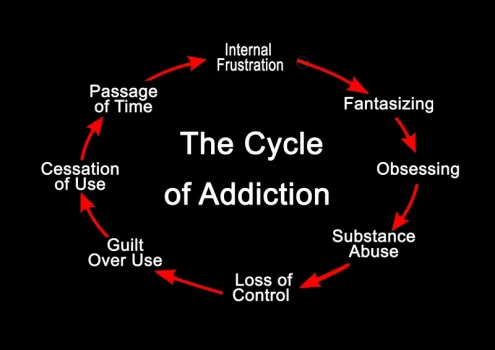
This keeps going, eventually leading to several people finding recovery. Recovery isn’t about making one decision or doing one thing that makes you stop using substances. Instead, it’s a long process that lasts the rest of our lives. For step four, it’s crucial that you look inward and truly ask yourself some questions. What behaviors and patterns have kept you in a cycle of substance use? These questions can be different for everyone, but these should be asked before, during, and after recovery.
Continued Support
Living a sober life is a journey; progress can be made by taking small daily steps—treatment and support are available for those who need it. Daily sobriety checklists play a vital role in strengthening recovery and preventing relapse. By incorporating healthy habits into a daily routine, individuals can significantly increase their chances of maintaining sobriety and achieving long-term success in their recovery journey. Sharing your checklist with a sponsor or supportive individual is an essential step in your recovery journey.
Benefits of Using a Daily Sobriety Checklist
It can help you talk about what’s going on and understand what someone is going through. In each section about a drug, we’ll tell you about how it affects your body and mind, and what to watch out for. It’s all about giving you the knowledge you need to look out for yourself and your friends or family. Dr. Deena is a doctor of psychology and licensed clinical social worker since 1993.